Psychotherapist for High- Functioning Anxiety
Central London & Online
Choosing a therapist is a deeply personal decision, and finding someone you feel comfortable with is an important part of the process.
As an integrative psychotherapist and counsellor, I believe there is no single approach that suits everyone. We all arrive with our own experiences, relationships and ways of making sense of the world. Rather than expecting you to fit into one particular model of therapy, I adapt my approach to meet you as an individual.
At the heart of my work is the belief that therapy isn't about becoming someone different. It's about developing a deeper understanding of yourself, your experiences and the ways you've learned to navigate life. From this place of understanding, we can begin to create opportunities for meaningful and lasting change, helping you develop greater freedom, self-compassion and self-trust.
I see therapy as a collaborative process. My role isn't to tell you what to do or offer quick solutions, but to walk alongside you with curiosity, compassion and thoughtful challenge. Together, we'll make sense of your experiences, explore patterns that may no longer be serving you, and discover new ways of relating to yourself and others.
How I work
My practice is grounded in psychodynamic psychotherapy, which explores how our early experiences and significant relationships continue to shape the way we think, feel and relate to ourselves and others in adulthood. Understanding these patterns can help us make sense of why we respond in the ways we do today.
Alongside this, my work is informed by a humanistic philosophy. This means I see you as a whole person rather than a collection of symptoms or problems to be solved. I aim to offer a therapeutic relationship that is respectful, collaborative and responsive to what matters most to you.
The relationship we develop together is an important part of therapy. Often, the patterns we experience in our relationships outside the therapy room can also emerge within it. Gently noticing and exploring these experiences together can deepen understanding and create opportunities for change.
I also draw on Internal Family Systems (IFS), which understands us as having different parts of ourselves. You may recognise an anxious part, a critical part, a people-pleasing part or a protective part. Rather than trying to get rid of these parts, therapy offers the opportunity to understand them with curiosity and compassion, recognising that each has developed for a reason.
Where it feels appropriate, I incorporate practical tools from Cognitive Behavioural Therapy (CBT), alongside mindfulness and mind-body practices, to support emotional awareness, nervous system regulation and everyday wellbeing. My work is trauma-informed and flexible, and we'll regularly reflect together on what feels most helpful as therapy unfolds.
My background
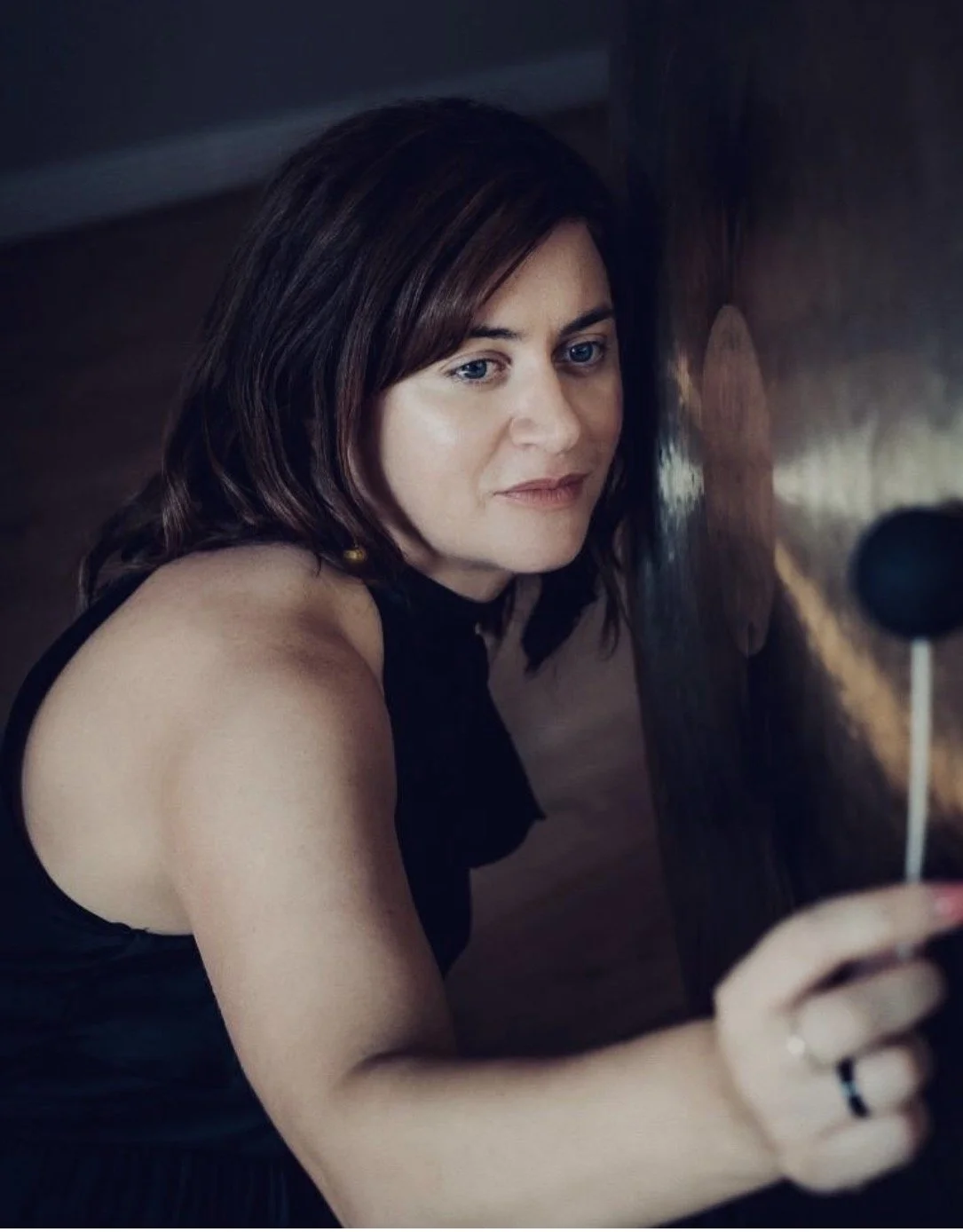
Before training as a psychotherapist, I worked in education as a science and biology teacher. I also spent many years in the wellbeing sector as a yoga teacher, meditation teacher and sound therapy facilitator.
These experiences continue to shape how I work today. They have strengthened my appreciation of the relationship between mind and body, while reinforcing my belief that every person's experiences deserve to be met with curiosity rather than judgement.
I aim to offer a space where every part of you is welcome. There is no right or wrong way to think, feel or respond in therapy. My work is underpinned by values of authenticity, curiosity, compassion and respect, and these values guide every therapeutic relationship I build.
Qualifications
MA in Humanistic and Integrative Psychotherapy
Professional Diploma in Psychotherapy and Counselling
Advanced Certificate in Meditation and Mindfulness-Based Practices
Extensive training in somatic and body-based approaches
Professional Diploma in Sound Therapy
I am a registered member of the British Association for Counselling and Psychotherapy (MBACP) and work within their Ethical Framework. I also undertake regular clinical supervision, which is an essential part of safe, ethical and reflective practice.
“It is very hard to explain to people who have never known severe anxiety or depression the sheer continuous intensity of it. There is no off switch. ”
“Anxiety often feels overwhelming when we believe we have to face it alone. Self-trust grows as we discover the steady, compassionate part of ourselves that can sit alongside it.”